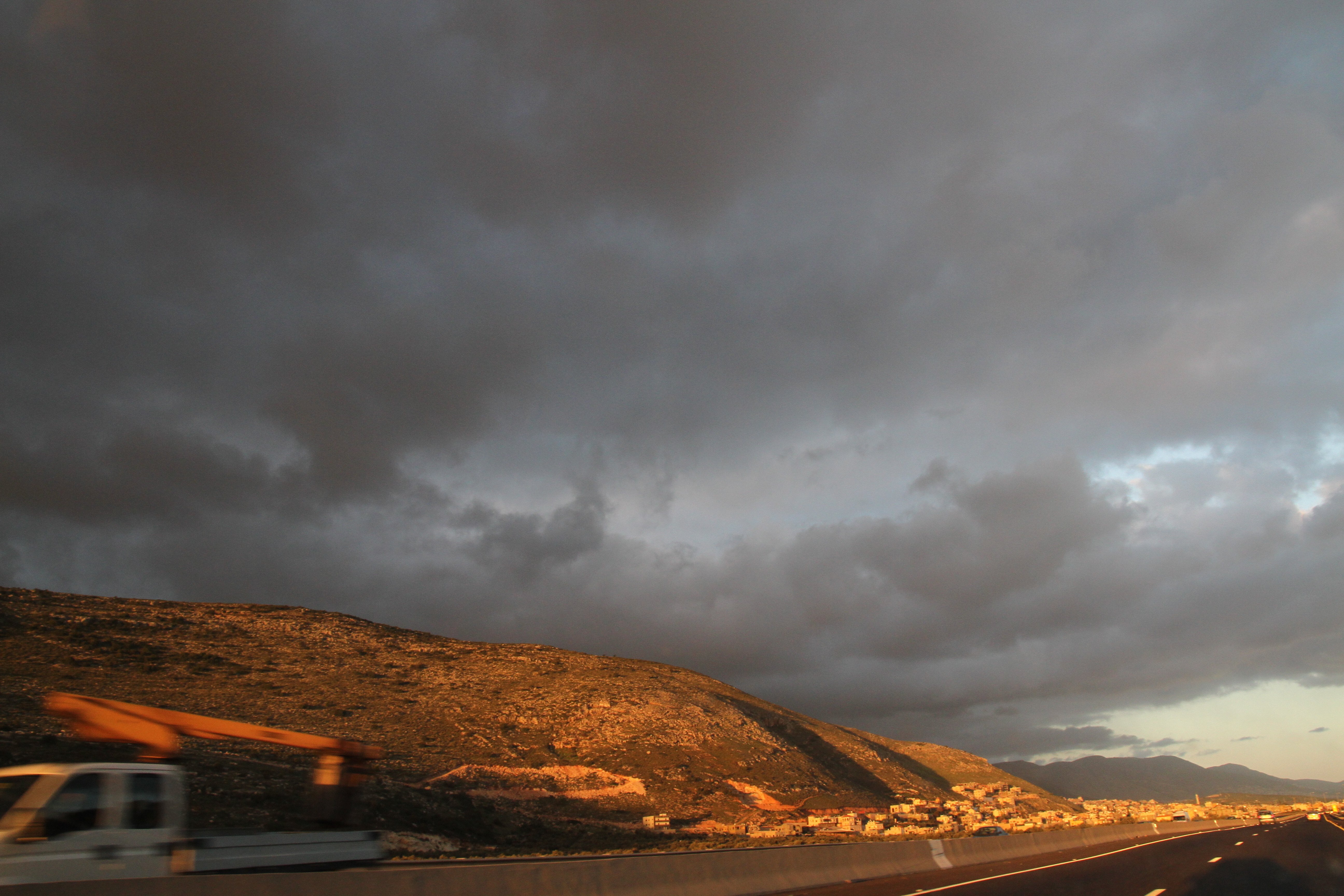
 The idea of home is intriguing. Just think about that four letter word for a few seconds and what pops into your mind? Maybe your first thoughts are of some cozy corner in the house you grew up in. Perhaps it’s your old bedroom, or the sofa in the living room. Glimpses of your old neighborhood may flash through your mind. You may see the faces of your family or long time neighbors.
Maybe you don’t have great memories of home. Do you struggle to block those thoughts out? Does the word “home” conjure memories of past abuse or unhappiness? Do you remember being lonely? Was there constant tension in your home? What if your family struggled financially and your memories are of an empty refrigerator or the electricity being shut off. How about the people who don’t have a concept of home. Did you move around a lot? Did the idea of home never take root in your mind?
I have some very distinct memories, both good and bad, of “home.” I can see, not just the house itself, but even the very approach to my old neighborhood by the water. I remember the way the air smelled of salt and sand coming round the corner that led me home. I lived in the same house for twenty years. Sadly, our home foreclosed in one of the sadder chapters of my life, and my family was forced to leave home. Many years have passed, and still I have not managed to regain that feeling of home. It’s almost like searching for some rare fruit, that once eaten burns its flavor into your memory. You ever remember the taste, and go on searching for the fruit, hoping– almost in vain– for another hint of that flavor.
In one of my sadder fits of nostalgia I wrote a poem about never being able to go back home. But what if you were being forced to return home? What if you were part of that group of people to whom home is either a non memory, or a bad memory? –A place you may have vowed never to return to.
We read in the news of millions of refugees throughout the world. –People who are forced to leave their homelands because of war, famine, or persecution of some sort. I often think about these people as the ultimate homeless. This time home is even more than a tiny dot on the globe with several bedrooms and a front yard. Home is an entire country, culture and way of life. Imagine leaving all of this behind to dwell for perhaps many years in a foreign country. What happens to these people, these refugees, who must carry on life in a new world indefinitely?
In 2009 I was privileged to travel to Israel. This was not my first trip there, but it has always been an exciting place for me to return to. In this case, I had leave to travel throughout the small, but diverse nation, spending time with old friends, and making new ones. One of the developments from the last time I had been in the country was a sizable community of African refugees, particularly from South Sudan.
A Brief History…
Sudan experienced two civil wars that, combined, lasted for nearly forty years. The main players were the Arab, Islamist government in the north and the rebel armies in the south, who were mainly Christians or animists. The south rebelled after the Islamist North refused them representation in government. In addition, the South was and still is rife with tribal conflict. Retaliatory attacks from rival tribes often inflict heavy casualties.
For many years South Sudanese fled their homes and sought safety in other African countries like Uganda, Kenya, and even Egypt. I met Sudanese refugees who had lived in Egypt. Egypt not being– to say it mildly– the most sympathetic place for black Christians, many were desperate enough to pay smugglers to bring them further north to Israel. –A country many seemed to know very little of. Before long there was a definite presence of Sudanese refugees in Israel, particularly in Tel Aviv and Eilat. The government of Israel recognized the South Sudanese people, giving them refugee status, much as they had done previously with those fleeing from genocide in Darfur. Israel being seen as the Middle East’s bastion of democracy, more Sudanese braved the dangerous journey to slip through Israel’s back door. –A journey that took many across the Sinai peninsula, and over Israel’s Southern border. This is a perilous, violent and sometimes deadly journey. However, many assumed the risk. Soon, among many others, the tribal languages of Dinka and Nuer were also heard in the Holy Land.
Fast forward a few years, and there is hot debate in Israel over what to do with the growing number of refugees in the small, conflict riven nation. There were many voices in the land calling to basically give these people the boot. After South Sudan finally gained independence in July of 2011, these voices argued that South Sudan was at last a safe place for her children to return to, in spite of continuing conflict with Northern Used to be Aggressor, Now Neighbor- State, Sudan. –And also in spite of ongoing tribal warfare.
Lest anyone think me to be placing Israel in a negative light, let me make myself clearer. Israel is a small nation, quite literally surrounded by enemy states, whose agents like Iran backed Hezbollah in the north, and Hamas within, actually want to “push them into the sea.” Yes, they’ve got their hands full down there. Israel was also founded as a Jewish state and homeland, though many people of different religions call it home. This alone puts all involved in a very interesting predicament. What would you do? There is no simple answer. Israel has always been concerned with protecting its “Jewishness.” African refugees, were not necessarily figured into that equation. I was once asked by a young Israeli man why these refugees would come to Israel of all places. The answer is pretty simple. A great number of these refugees are Christians. Most have experienced what it is like to flee to an Arab Muslim country. Remember they’ve experienced Egypt already, and although some of those fleeing Sudan are Muslims, Israel has a better reputation than some of its neighbors when it comes to tolerance and hospitality. And may I also point out that Israel’s economy is also a welcoming factor. African refugees were also drawn by the possibility of jobs.
Recently the question of what to do with the South Sudanese refugees was settled. No time is being wasted. The refugees must go home. A simple problem and a simple solution? By no means! By this time many of these people have spent years living in other lands. I have met children who have no real memory of South Sudan as they were not born there. Some of the youngest were born in Israel. I know teenagers who have grown up in Israel. They speak Hebrew, as well as Arabic and English, go to Israeli schools and have Israeli friends. They have also largely come to be staunch supporters of Israel at a time when the nation finds itself increasingly with less friends. They have been given hardly any time to leave the country, (the first flights began during the two weeks following the ruling) and they are finding it difficult to wrap their minds around what is happening. The future is unsettled, and there is much anxiety and uncertainty about the next steps.
There is hope in all of this. Perhaps some of you quick ones saw it way before I alluded to it. Hope is this. As much as I may not want to see it, I cannot ignore the fact that now the South Sudanese have what many have died longing for. Independence. Though the situation at present is still far from attractive, South Sudan may now begin to walk in the right direction, so long as that direction leans away from armed conflict and toward peace. Unfortunately armed conflict is still very much a problem. But though this may be just a trite cliché, “Rome was not built in a day.” The new nation of South Sudan needs people who will be able to walk it in the right direction. Who better than these who have spent time being reared away from warfare? –Those who have received valuable education in foreign parts. People who will be more than comfortable in future diplomacy with the inevitable “Western Front.” Perhaps their temporary exile has served to develop their South Sudanese identity without the bitterness of war. If South Sudan wants a peaceful and prosperous future she will need people who can think peacefully. I believe that the time has come.
Now it is time for those returning “home” to make it what it should be. To find their places in a land that they have long been absent from, and to make it into a place that their children will have fond home- memories of. It is possible. Though the homeward bound road may be fraught with difficulties, perhaps we will all learn that you can go back home.
–Just Some Thoughts.
 globalhappenstance